
Home improvement and renovation have become more accessible than ever. With the right tools, homeowners can handle everyday maintenance, minor renovations, and DIY projects efficiently and safely. Modern home tools are designed to be powerful, ergonomic, and easy to use, making them suitable not only for professionals but also for beginners.
Affiliate Disclosure — UsefulHomeTools
Some links on UsefulHomeTools direct you to eBay and other retailers. If you click a link and make a purchase, we may receive a commission at no extra cost to you.
These commissions help us test home tools and create guides for DIYers. Recommendations are based on our research and are not influenced by any affiliate partnership.
How Americans Handle Home Renovation?
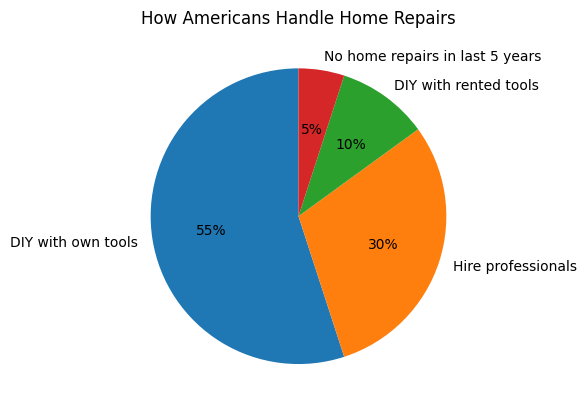
The pie chart shows how Americans approach home renovation based on our survey results. A clear majority—55%—prefer to do home repairs themselves using their own tools, indicating a strong DIY culture. Another 30% choose to hire professional contractors, usually for more complex or time-consuming tasks. About 10% handle repairs on their own but rent tools instead of purchasing them, which suggests occasional or project-based DIY activity. Finally, 5% of respondents have not done any home repairs in the last five years, showing that only a small portion of households are completely disengaged from home maintenance.
Overall, the data highlights that most Americans are actively involved in maintaining their homes, with DIY solutions playing a dominant role.
 GetHomeTools — your best choices for home
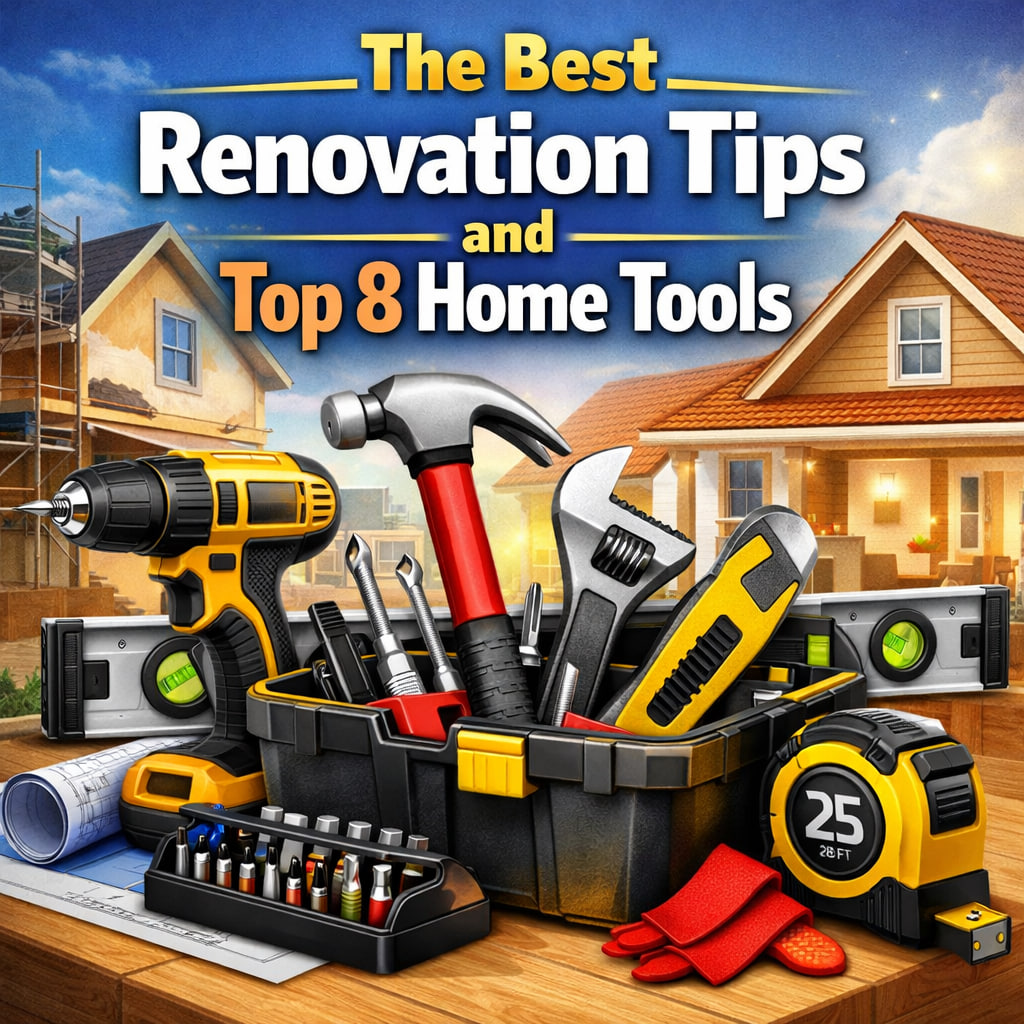
Today’s tools combine durability with smart design, offering better precision, reduced effort, and improved safety. This guide highlights the top 8 home tools for 2025, focusing on practicality, reliability, and value for everyday household use.
1. Cordless Power Drill
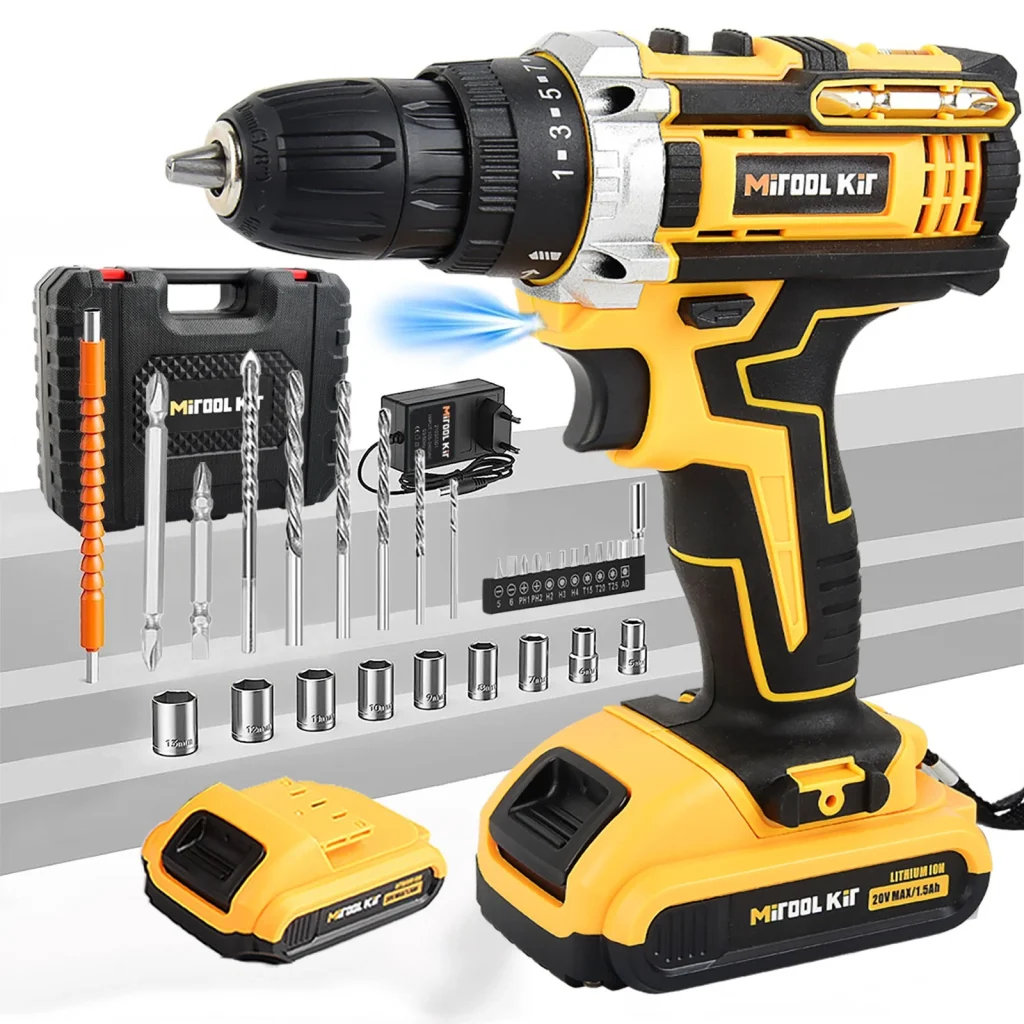
A cordless power drill is the backbone of any home tool kit and one of the most versatile tools you can own. It is used for drilling holes in wood, metal, plastic, and drywall, as well as for driving and removing screws. Modern cordless drills feature rechargeable lithium-ion batteries that provide long operating time and consistent power.
Most models include variable speed control and adjustable torque settings, which allow you to match the tool’s power to the task. This is especially useful when assembling furniture, hanging shelves, or working with delicate materials where over-tightening screws could cause damage. Many drills also include keyless chucks for fast bit changes and ergonomic grips for comfortable use during longer projects.
Pros
- Versatile for drilling and screwing
- Portable and easy to use
- Suitable for beginners and advanced users
Cons
- Battery needs recharging
- Not ideal for heavy industrial tasks
For homeowners, a cordless drill eliminates the need for manual screwdrivers and significantly reduces the time required for repairs and installations.
To buy this product, click here.
2. Multi-Bit Screwdriver Set
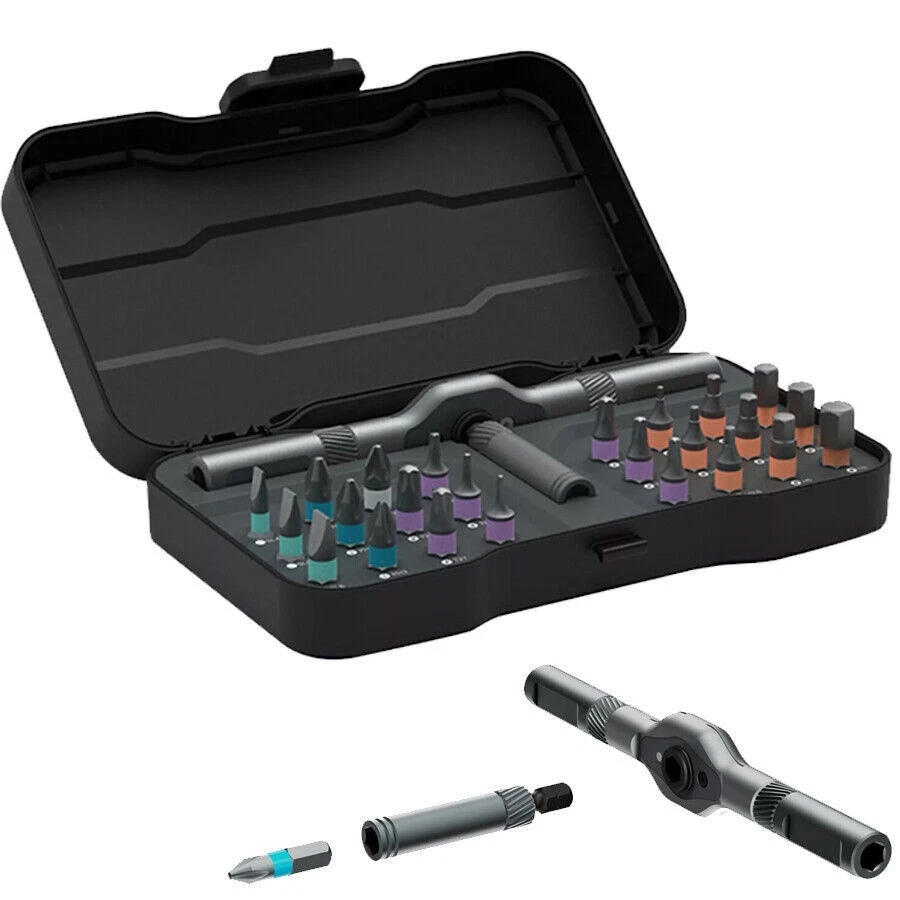
A multi-bit screwdriver set is a compact and highly practical solution for everyday household tasks. Instead of owning multiple screwdrivers, you get one handle with interchangeable bits that cover the most common screw types, including Phillips, flathead, Torx, and hex.
This tool is especially useful for furniture assembly, appliance adjustments, electronics, and small repairs. Magnetic bit holders help keep screws in place, reducing frustration and improving precision. Many sets come with ergonomically designed handles that provide better grip and control.
Because of its affordability and ease of use, a multi-bit screwdriver set is ideal for beginners and apartment residents with limited storage space.
Pros
- Compact and space-saving
- Multiple bit options
- Affordable and practical
Cons
- Not suitable for heavy-duty force
- Small bits can be lost
This tool is perfect for quick fixes and everyday household needs.
To buy this product, click here.
3. Adjustable Wrench
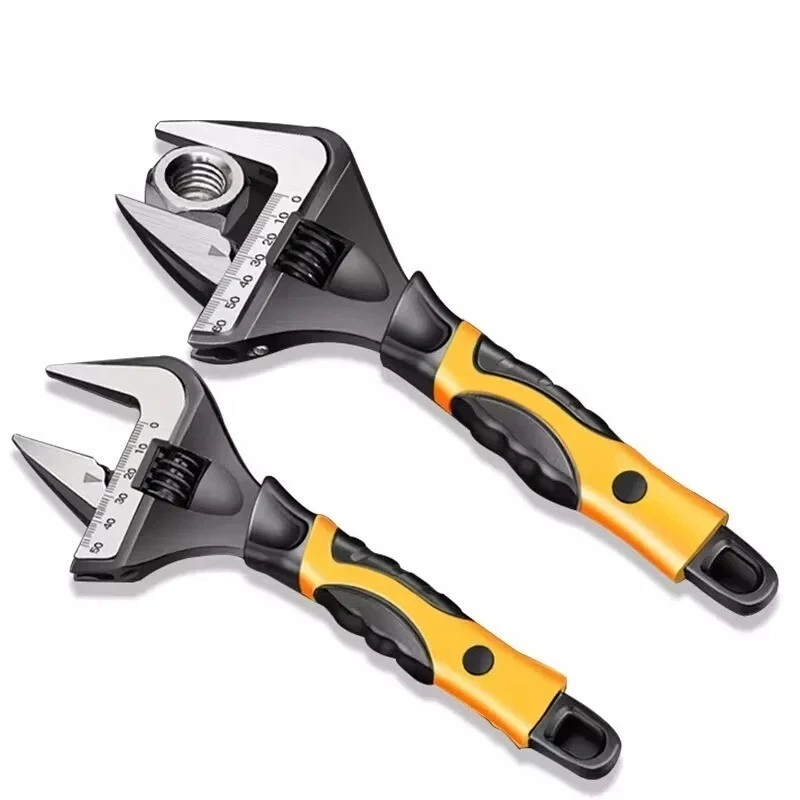
An adjustable wrench is an essential hand tool for gripping, tightening, and loosening nuts and bolts of various sizes. Its adjustable jaw makes it flexible and convenient, eliminating the need for multiple fixed-size wrenches.
This tool is commonly used for plumbing repairs, such as tightening pipe fittings or fixing leaks, as well as for furniture repair and basic mechanical tasks. High-quality adjustable wrenches are made from hardened steel and feature smooth adjustment mechanisms to ensure a secure grip.
While it may not offer the same precision as a fixed-size wrench, its versatility makes it a must-have tool for general home maintenance.
Pros
- One tool fits multiple sizes
- Durable and long-lasting
- Ideal for plumbing and repairs
Cons
- Less precise than fixed-size wrenches
- Can slip if not tightened properly
It is a must-have for handling nuts and bolts around the house.
To buy this product, click here.
4. Tape Measure (Auto-Lock)
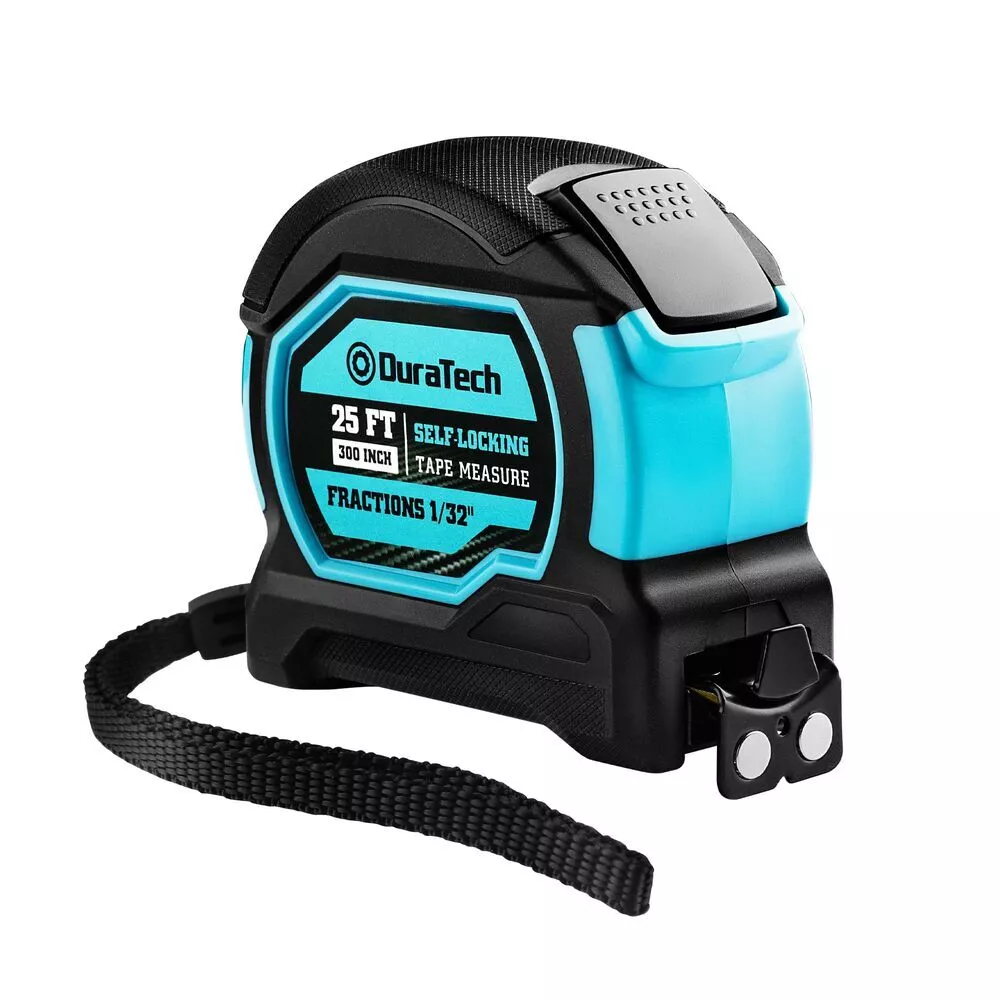
A tape measure with an auto-lock feature is a small but critical tool for accurate home repairs and DIY projects. It is used to measure spaces, furniture, materials, and installation areas before cutting, drilling, or mounting.
The auto-lock mechanism holds the tape in place automatically, allowing for one-handed operation, which is especially useful when measuring large objects or working alone. Clear markings and durable blades improve readability and longevity.
Pros
- Accurate measurements
- Auto-lock improves ease of use
- Compact and lightweight
Cons
- Blade can bend if misused
- Limited length on smaller models
Accurate measurements help prevent costly mistakes, wasted materials, and poorly fitted installations, making this tool indispensable for both small and large projects.
To buy this product, click here.
5. Hammer (Claw Hammer)
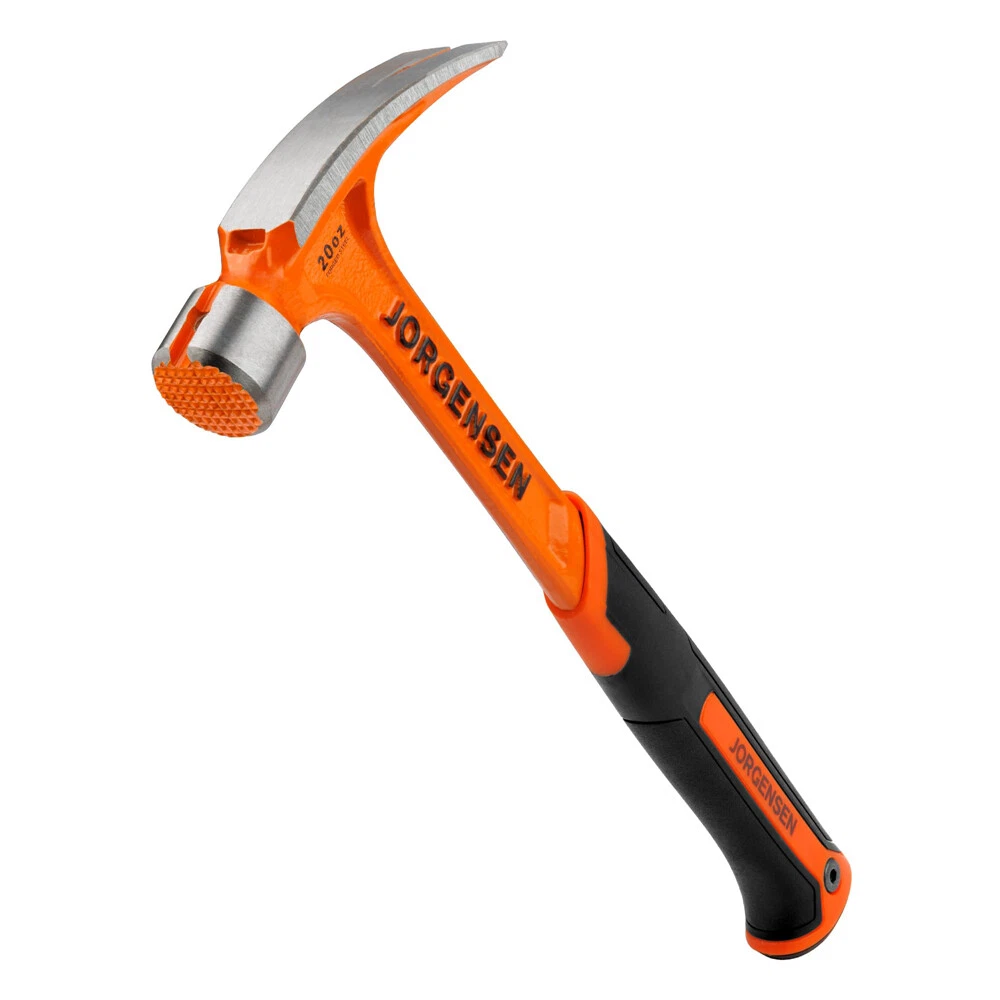
A claw hammer is a classic and reliable tool used for driving nails into wood and removing them when necessary. The flat face is designed for striking nails, while the curved claw allows for easy nail removal and prying.
Modern claw hammers often feature shock-absorbing handles and balanced weight distribution, which reduce strain on the wrist and improve control. They are commonly used for simple construction, furniture repair, wall mounting, and framing tasks.
Pros
- Simple and durable
- Nail driving and removal
- No power required
Cons
- Limited to basic tasks
- Requires proper technique
Despite its simplicity, a hammer remains one of the most frequently used tools in home repair due to its durability and effectiveness.
To buy this product, click here.
6. Utility Knife
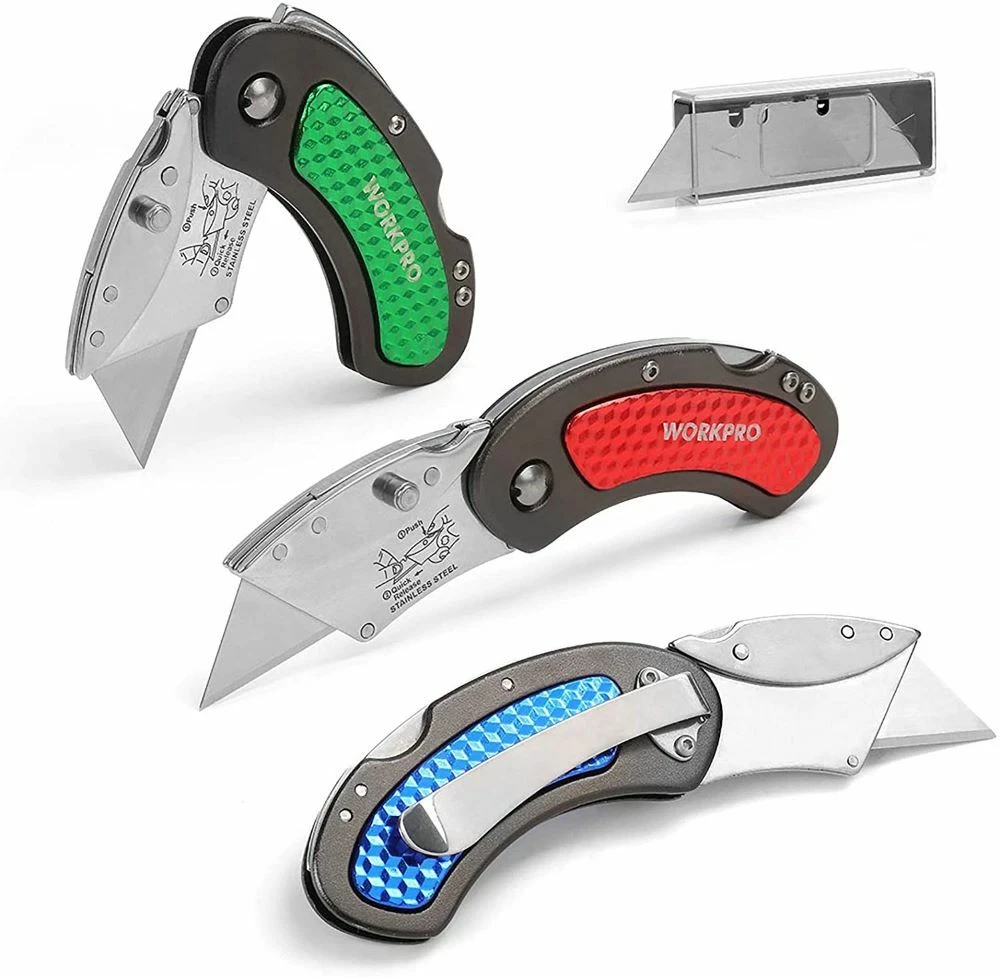
A utility knife is a precision cutting tool used for a wide range of materials, including cardboard, carpet, drywall, plastic, insulation, and packaging. Retractable or foldable blades improve safety by allowing the blade to be hidden when not in use.
Replaceable blades ensure consistent sharpness and extend the life of the tool. Many utility knives also include ergonomic handles and blade-locking mechanisms for improved control and safety.
Pros
- Sharp and precise cutting
- Compact and affordable
- Replaceable blades
Cons
- Blades dull over time
- Requires careful handling
This tool is especially useful during renovations, unpacking materials, trimming edges, and finishing work where clean, accurate cuts are required.
To buy this product, click here.
7. Spirit Level
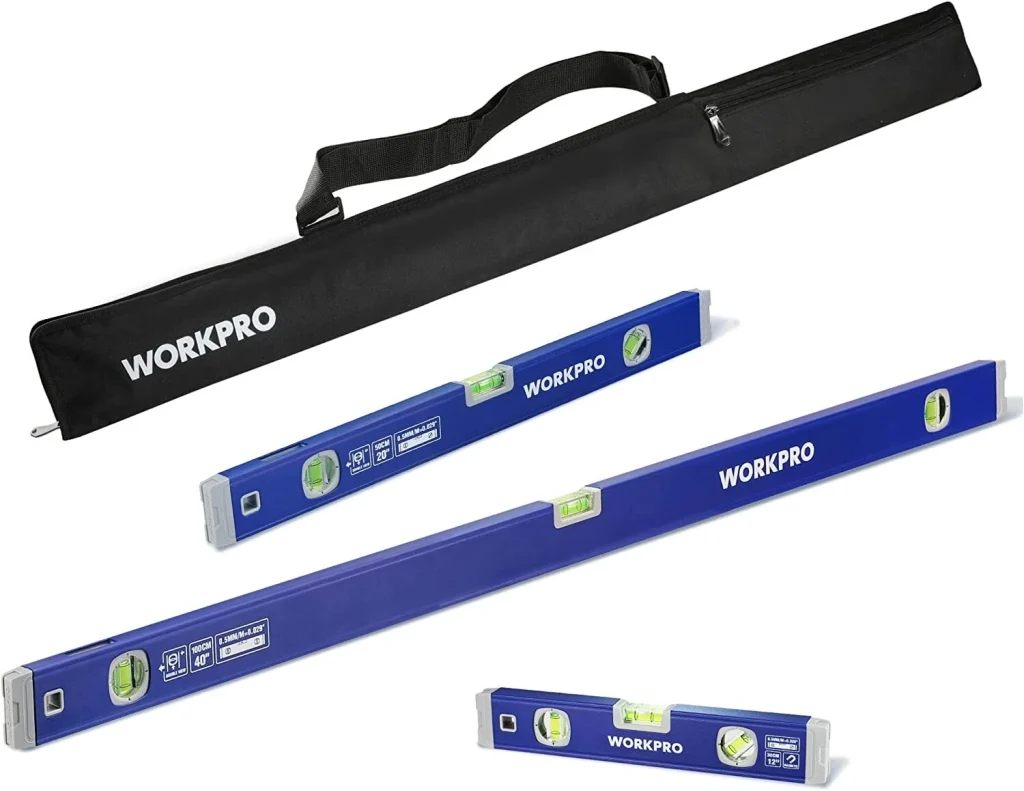
A spirit level (also known as a bubble level) is used to ensure that surfaces are perfectly horizontal or vertical. It is essential for tasks such as hanging shelves, mounting TVs, installing cabinets, and aligning frames.
The level contains liquid-filled vials with air bubbles that indicate alignment accuracy. Even small deviations can be noticeable, so this tool helps achieve professional-looking results in DIY projects.
Pros
- Improves accuracy
- Simple and reliable
- Available in multiple sizes
Cons
- Limited to alignment tasks
- Can be fragile if dropped
Available in various lengths, spirit levels are simple to use and extremely reliable, making them an important tool for both beginners and experienced homeowners.
To buy this product, click here.
8. Tool Box or Tool Organizer
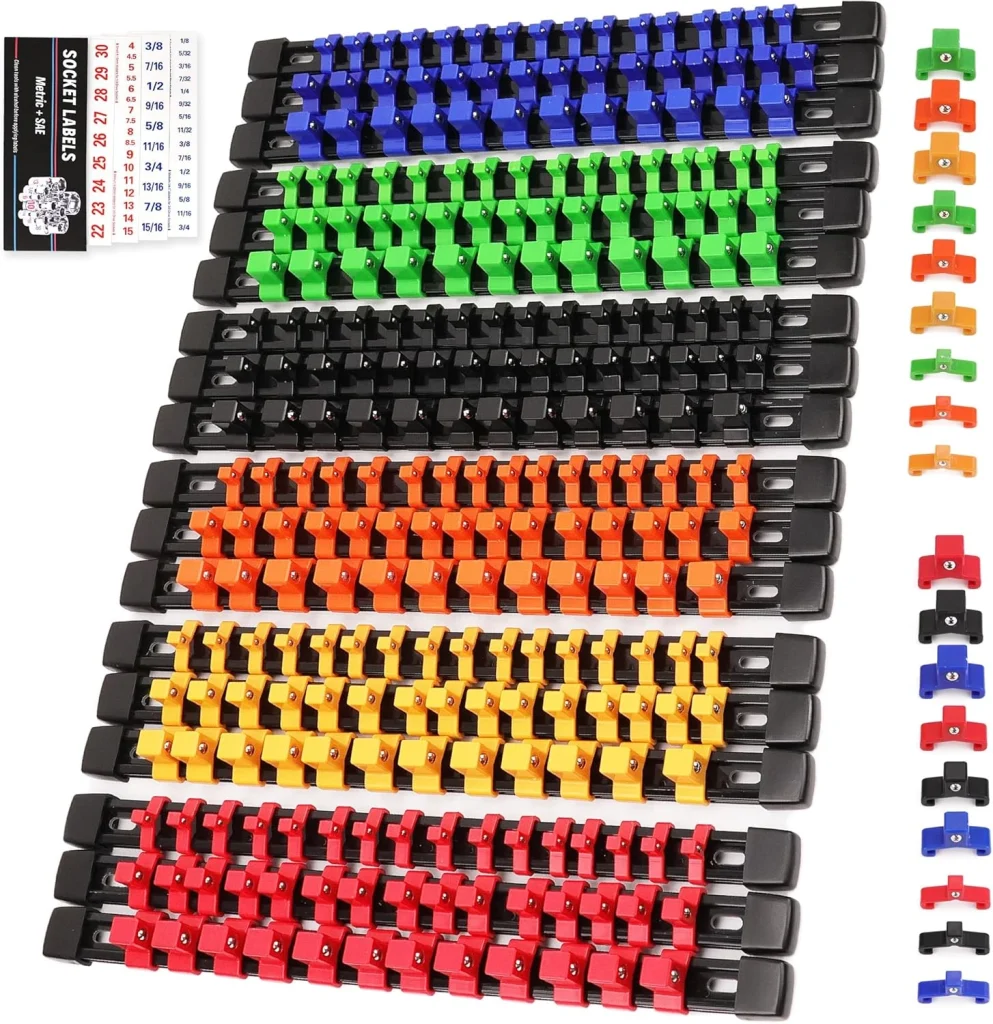
A tool box or tool organizer is designed to store, protect, and organize your tools efficiently. It prevents damage, reduces clutter, and saves time by keeping everything in one accessible place.
Modern tool organizers may include compartments, trays, drawers, and modular sections to separate hand tools, bits, fasteners, and accessories. Portable designs allow easy transport between rooms or job sites.
Pros
- Keeps tools organized
- Portable and durable
- Saves time during repairs
Cons
- Takes up storage space
- Cheap models may break easily
Good organization not only improves efficiency but also enhances safety by ensuring tools are stored properly and not left scattered around the home.
To buy this product, click here.
🛠️ Home Renovation Tips
Successful home renovation starts with proper planning and the right approach. Even small projects become easier and safer when you follow a few basic principles.
First, plan every repair in advance. Clearly define what needs to be fixed, which tools and materials are required, and how much time the task will take. This helps avoid unnecessary purchases and interruptions during work.
Second, start with simple tasks if you are a beginner. Replacing a shelf, tightening loose fixtures, or assembling furniture builds confidence and basic skills before moving on to more complex projects.
Third, measure accurately and double-check everything. Incorrect measurements are one of the most common causes of wasted materials and poor results. Always measure twice before cutting, drilling, or installing.
Fourth, use the right tool for the job. Improvised tools can damage materials and increase the risk of injury. Quality tools provide better precision, efficiency, and safety.
Finally, maintain your tools properly. Clean them after use, store them in a dry place, and check for wear or damage. Well-maintained tools last longer and perform better during repairs.
⚠️ Home Renovation Safety Rules
Safety should always be the top priority during any home repair. Ignoring basic safety rules can lead to serious injuries and property damage.
Always wear appropriate protective equipment., such as gloves, safety glasses, and closed-toe shoes. For dusty or noisy tasks, use masks and hearing protection.
Before starting electrical or mechanical work, turn off power, gas, or water supplies. Never rely solely on switches—disconnect power from the breaker panel when necessary.
Ensure that your workspace is stable and well-lit. Use ladders on flat surfaces, keep tools organized, and remove obstacles that could cause slips or falls.
Never rush or work while tired. Fatigue reduces concentration and increases the risk of mistakes. Take breaks during long repair sessions.
Keep children and pets away from the work area, and store sharp or heavy tools safely after finishing your tasks.
🚨 When should you really call the professionals?
While many home renovation can be done independently, some tasks require professional skills and certifications. Attempting these repairs without proper experience can be dangerous and costly.
You should always call a professional for electrical wiring issues, such as replacing circuit breakers, repairing outlets, or working inside electrical panels. Mistakes in electrical systems can cause fires or severe injuries.
Gas-related work must also be handled by licensed specialists. Gas leaks, appliance installation, or pipe repairs pose serious safety risks and should never be treated as DIY projects.
For major plumbing problems, such as burst pipes, sewer issues, or full pipe replacements, a professional plumber ensures proper installation and prevents long-term water damage.
Structural issues—cracks in walls, sagging ceilings, foundation damage, or load-bearing wall modifications—require expert evaluation to maintain the safety and stability of your home.
Finally, complex HVAC system repairs should be left to certified technicians. Incorrect handling can reduce system efficiency, increase energy costs, or lead to complete system failure.
Knowing when to call a professional helps protect your home, your budget, and your personal safety.
Conclusion
Home tools are essential for maintaining, repairing, and improving your living space. With the right selection of reliable tools, you can handle everyday tasks confidently while saving time and money. From basic hand tools to versatile power tools, building a solid home toolkit is an investment in comfort, safety, and independence.
Choosing quality tools and following safety rules will help you keep your home in excellent condition for years to come.